
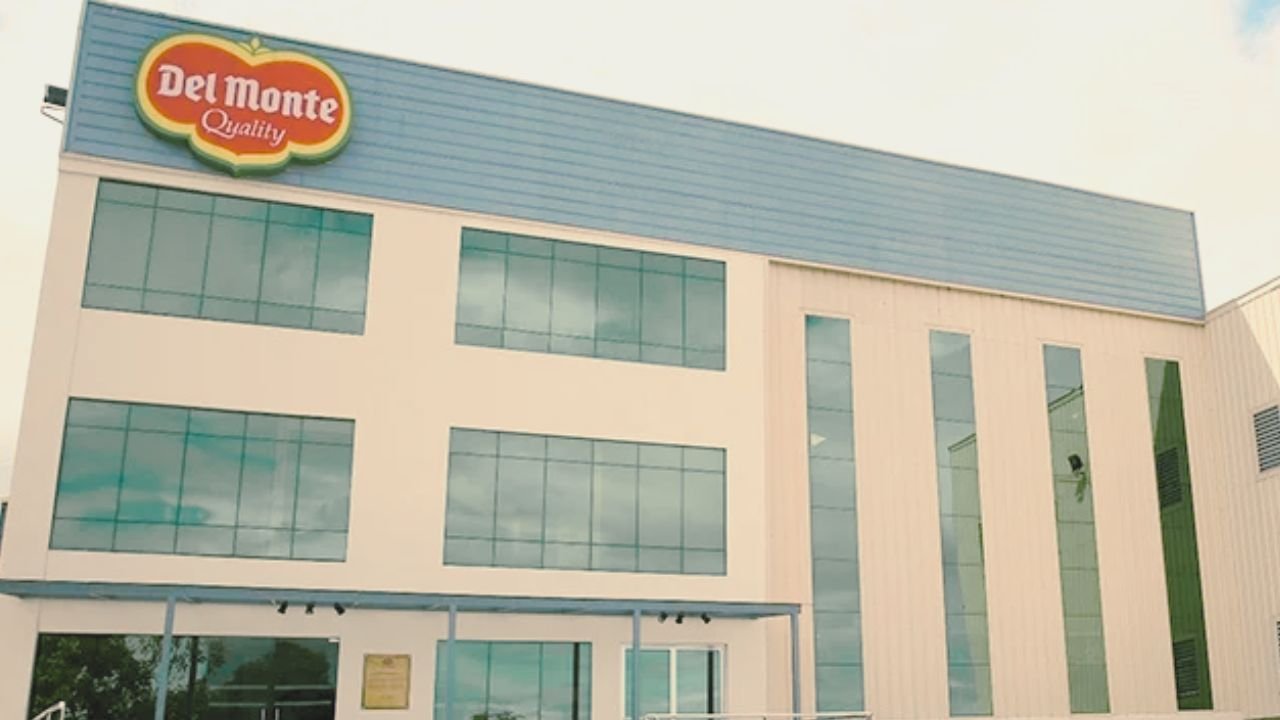
Del Monte is one of the most recognized food brands in American grocery stores. You’ve probably seen those cans on the shelf your entire life. So when news broke that the company behind it filed for bankruptcy in 2025, closed its last California canneries, and sold off its business in pieces, it raised an obvious question: is Del Monte actually gone?
The short answer is: the original company is winding down, but the brand is not disappearing. The longer answer requires understanding who owns what now — and why the situation is more complicated than a simple “going out of business” story.
Del Monte Foods and Fresh Del Monte Produce Are Two Different Companies
Before anything else, you need to know this: “Del Monte” refers to at least two separate businesses that people constantly mix up.
Del Monte Foods Inc. is the U.S.-based company that makes canned vegetables, canned fruits, tomato products, broths, and fruit cups. This is the company that filed for bankruptcy. It was headquartered in Walnut Creek, California, with NutriAsia as its parent company.
Fresh Del Monte Produce Inc. is a completely different company. It focuses on fresh fruit and produce and trades on the New York Stock Exchange under the ticker FDP. It did not go bankrupt. In fact, it was financially stable enough to become one of the buyers during the bankruptcy sale.
The two companies split apart in 1989 and operated independently for nearly 40 years. Fresh Del Monte even had to issue a public statement clarifying it was not the bankrupt entity — that’s how common the confusion was. Keep this distinction in mind as you read the rest of the story.
Why Del Monte Foods Filed for Chapter 11 in July 2025
Del Monte Foods — a company with more than 140 years of history — filed for Chapter 11 bankruptcy in July 2025. That sounds dramatic, but Chapter 11 is not the same as shutting down.
Chapter 11 is reorganization, not liquidation. Think of it like restructuring a household budget under court supervision. Instead of walking away from everything, the company negotiates with creditors, keeps operating, and works out a plan — usually involving selling assets — while the courts oversee the process.
During the bankruptcy, Del Monte Foods secured approximately $912.5 million in debtor-in-possession financing. That’s a type of loan specifically designed to keep a bankrupt company running while it sorts out its finances. The goal was always a “going-concern sale” — meaning sell off the business units as operating entities so they keep running under new owners, rather than just turning the lights off immediately.
How the Business Was Split and Sold to Three Buyers
By March 2026, a U.S. Bankruptcy Court had approved the sale of Del Monte Foods’ assets to three separate buyers. Each one took a different piece of the business.
Fresh Del Monte Produce — the largest buyer
Fresh Del Monte Produce paid approximately $285 million for the biggest share. This included the packaged vegetable brands (Del Monte and S&W), the tomato brands (Contadina and Take Root Organics), refrigerated fruit, JOYBA beverages, several manufacturing facilities, and — most significantly — the global ownership of the Del Monte trademark.
That last point matters. After nearly 40 years apart, the Del Monte brand is now reunited under a single corporate owner for the first time since 1989.
B&G Foods — broths and stocks
B&G Foods acquired the broth and stock segment of the business. That includes the College Inn and Kitchen Basics brands. If you buy Del Monte-adjacent broth products, B&G Foods is now the company behind them.
Pacific Coast Producers — canned fruit
Pacific Coast Producers (PCP) purchased the shelf-stable fruit business — that’s canned fruit and fruit cups. They also received the rights to use the Del Monte and S&W brand names for those products in the U.S., Mexico, and Puerto Rico.
So if you pick up a can of Del Monte peaches at the grocery store, Pacific Coast Producers is now the company that made it, using the Del Monte name under a license from Fresh Del Monte Produce.
Think of it like this: one buyer got the brand and the vegetable menu, another got the soup line, and another got the canned fruit section. The logo still appears on products across all three categories, but entirely different companies are now running each part.
The total minimum cash consideration across all three sales came to approximately $509 million.
What Closed for Good and Who Lost Their Jobs
This is where the story stops being just a corporate restructuring and becomes something with real consequences for real people.
The Modesto, California cannery — Del Monte’s last remaining cannery in California — received no buyer and permanently closed on April 7, 2026. Approximately 765 workers lost their jobs. The Hughson, California facility also shut down around the same time.
For the cities of Modesto and Hughson, this isn’t just a business story. Del Monte was a major employer and a fixture of the local economy for generations. The brand lives on under new owners, but as a local employer and processor, Del Monte is essentially gone from the region.
The impact on California fruit growers
The closure hit farmers hard too. Many California peach growers had long-term supply contracts with Del Monte Foods. When the bankruptcy wiped those contracts out, growers were left with no nearby cannery to sell to and no immediate replacement buyer.
One estimate puts the loss at $550 million in contracts for California peach growers alone. With no processor to sell to, farmers have been removing orchards. Roughly 420,000 trees are being uprooted, partly supported by a $9 million federal grant to help with the transition.
Agricultural advisors have urged affected growers to confirm their contract status in writing, seek alternative processors quickly, and avoid making irreversible decisions — like removing all trees — without first understanding what financial support is available.
This is what a large processor’s exit actually looks like in practice. It doesn’t just affect workers and shareholders. It reshapes regional agriculture, forces crop transitions, and puts individual farming families in a difficult position for years.
What Happened to Del Monte Foods as a Corporate Entity
After selling off substantially all of its business segments, Del Monte Foods entered a court-approved wind-down process. Judge Kaplan confirmed the joint Chapter 11 wind-down plan on May 22, 2026, with an effective date of June 13, 2026.
The original Del Monte Foods corporate entity now exists only as a winding-down estate managed by a Plan Administrator. It no longer has active operations. The business it ran for over 140 years has been transferred to three new owners.
So from a corporate standpoint: yes, the historic Del Monte Foods company is effectively finished. From a consumer standpoint: the products and the brand are not gone.
What Shoppers Can Expect Going Forward
If you shop at a regular grocery store, your experience probably won’t change much on the surface. Del Monte-labeled canned vegetables, tomato products, fruit cups, and broths will still be on shelves. The label looks the same. The products are in the same aisle.
What’s changed is the company behind each product:
- Canned vegetables and tomato products (like Contadina): now under Fresh Del Monte Produce
- Canned fruit and fruit cups: now under Pacific Coast Producers, using the Del Monte brand under license
- Broths and stocks (College Inn, Kitchen Basics): now under B&G Foods
Medium-term supply or pricing changes are possible, especially for canned fruits affected by the California grower disruption. But those are uncertain outcomes, not guaranteed ones. What is certain is that the Del Monte brand has the backing of established food companies and is not expected to vanish from store shelves.
For entrepreneurs or business owners tracking industry trends, resources like StartBusinessPoint offer useful context on how corporate restructurings like this one ripple through supply chains and affect related businesses.
The Bottom Line
Del Monte Foods the company is winding down after 140-plus years. The bankruptcy was real, the plant closures were real, and the job and grower losses were significant. None of that should be minimized.
But the Del Monte brand is not disappearing. Fresh Del Monte Produce now owns the global trademark. Pacific Coast Producers is handling canned fruit. B&G Foods has the broths. The products will remain on shelves under new management.
This is a story about a corporate structure collapsing while the brand survives — which is worth understanding clearly, especially if you’re a grower, a supplier, a retail buyer, or just someone trying to make sense of confusing headlines. The company is gone. The brand isn’t.
Also Read:
- Is Especially Yours Going Out of Business?
- Is AvMed Going Out of Business?
- Is Tucson Guns Going Out of Business?