
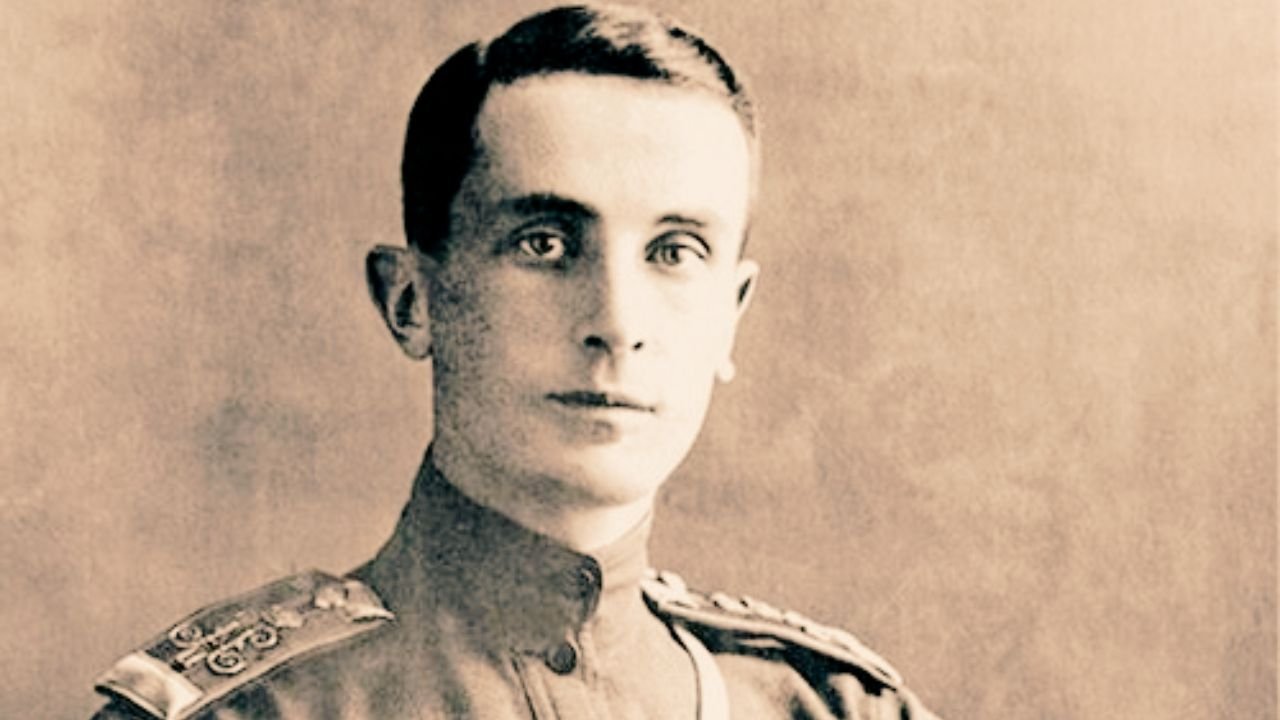
Few figures from the final years of imperial Russia left as lasting an impression as Prince Felix Yusupov. Born into one of the empire’s most powerful families, married into the Romanov dynasty, and permanently linked to one of history’s most debated political killings — his life reads like something out of a novel.
Yet behind the drama is a real, well-documented historical figure. This article covers his background, his family’s remarkable dynasty, his connection to the Romanovs, his role in Rasputin’s death, and what happened to him after the Russian Revolution swept everything away.
Who Was Prince Felix Yusupov?
His full name was Prince Felix Felixovich Yusupov, Count Sumarokov-Elston. He was born on March 23, 1887, in Saint Petersburg, then the heart of the Russian Empire. He died on September 27, 1967, having outlived the world he was born into by half a century.
Felix was the younger of two sons in a family that stood among the most prominent aristocratic houses in all of Russia. His combined title — Yusupov and Sumarokov-Elston — reflects two separate family lines, which is an important distinction. The Yusupov identity came through his mother’s side, not his father’s. His father belonged to the Sumarokov-Elston family and assumed the Yusupov name and title through marriage, with permission from the imperial authorities. This is a detail that matters especially for genealogy researchers.
The Yusupov Family and Their Place in Imperial Russia
The Yusupov name carried enormous weight in Russian society. The family was among the wealthiest aristocratic houses in the empire, known for major estates, grand palaces, art collecting, and philanthropy. Their prominence was not just about money — they were deeply woven into Russian cultural and imperial life.
Their ancestry is traditionally traced to the rulers of the Nogai Horde, with roots in Tatar and Muslim aristocratic traditions. It is worth being precise here: they are not simply described as “Mongolian” or “Arab,” as some popular accounts suggest. The historical record points to a more specific Central Asian and Tatar lineage.
By the time Felix was born, the male line of the Yusupov family had nearly died out. Felix’s mother, Princess Zinaida Nikolaievna Yusupova, was the principal heiress of the family’s vast fortune. Because there was no surviving male heir to carry the name forward in the traditional sense, imperial authorities granted permission for her husband — Count Felix Sumarokov-Elston — to take on the Yusupov name and title through their marriage. This is why Felix carried both names in his title.
His Parents, His Brother, and Early Life
Felix’s father was Count Felix Felixovich Sumarokov-Elston. His mother was Princess Zinaida Nikolaievna Yusupova. Sharing a first name with his father has caused some confusion in historical accounts, so it is worth being clear: the man known for the Rasputin affair is the son, not the father.
Felix had an elder brother named Nikolai Felixovich Yusupov. Nikolai’s life ended abruptly and tragically — he was killed in a duel in 1908 at just 25 years old. That loss changed everything for Felix. It made him the sole male heir of the Yusupov line and placed the full weight of the family name, fortune, and social position on his shoulders alone.
Growing up, Felix inhabited a world of palatial residences and imperial court life. The Yusupov family owned multiple properties across Russia, and their social circle included the highest ranks of the Russian aristocracy. It was a privileged and rarified existence, even by the standards of the era.
His Marriage Into the Romanov Family
In 1914, Felix married Princess Irina Alexandrovna. Irina was a niece of Emperor Nicholas II, which made Felix a member of the extended imperial family by marriage. It is important to be precise about this: he was not a direct Romanov heir or descendant. His connection to the dynasty came through his wife.
Still, that connection placed him very close to the center of imperial Russian power during its final years. Felix and Irina had one daughter together. The marriage gave Felix both social prestige and proximity to the Romanov court — a proximity that would put him at the center of the most dramatic event of his life.
The Rasputin Assassination
Felix Yusupov’s name is inseparably linked to the death of Grigori Rasputin, the controversial mystic who had gained significant influence over Empress Alexandra and, through her, over Tsar Nicholas II himself. Many within the aristocracy and the extended imperial family viewed Rasputin as a dangerous and destabilizing presence.
In December 1916, Felix was one of the principal figures in the conspiracy to kill Rasputin. The plot succeeded — Rasputin died on the night of December 16–17, 1916, at the Yusupov Palace in Petrograd (formerly Saint Petersburg).
The popular version of events — involving poison, multiple gunshots, and an extraordinary struggle — comes largely from Felix’s own memoirs. Those accounts should be understood as his personal version of events, not an independently verified historical record. Historians have debated many of the dramatic details over the decades. What is broadly accepted is that Felix participated in the conspiracy and that Rasputin was killed that night.
The killing did not produce the political change the conspirators hoped for. It sent shockwaves through the already crumbling imperial court but did nothing to slow the revolution that was coming.
Life After the Russian Revolution
When the Russian Revolution swept through the empire in 1917, the world Felix had always known collapsed with stunning speed. The Yusupovs fled Russia and went into exile, like so many aristocratic families of their generation.
Felix and Irina eventually settled in Paris, where they lived for much of the rest of their lives. Exile brought significant financial pressure, though the couple managed to sustain themselves partly through the sale of artworks and other valuables they had taken with them when they left Russia.
Felix also pursued a legal dispute that drew public attention. When the 1932 film Rasputin and the Empress portrayed a character widely understood to represent Irina, the Yusupovs sued the production company and won a substantial settlement. It was one of the more remarkable legal victories involving a historical event and a fictional portrayal.
In later years, Felix published his memoirs, most notably Lost Splendour, which recounts his aristocratic upbringing and the events surrounding the Rasputin affair. The book became the main source through which many readers came to know his version of events. As with any memoir, it reflects one person’s perspective and self-presentation rather than a neutral historical account.
If you enjoy reading about historical figures and the worlds they lived in, resources like Startbusinesspoint can offer useful context on navigating history, culture, and research topics.
Why Felix Yusupov Still Matters?
Felix died on September 27, 1967, in Paris, at the age of 80. He had outlived the Russian Empire, two world wars, and nearly everyone who had shared his world.
His significance today is layered. For historians, he is a primary source — however imperfect — on the final years of imperial Russia. For genealogy researchers, he is a case study in how aristocratic titles and family names could pass through maternal lines rather than the more typical paternal route. For anyone interested in the Romanov era, his life sits at the intersection of extreme privilege, political intrigue, and historical collapse.
He was not a simple villain or a hero. He was an aristocrat of his time, shaped by immense wealth and social position, who made a dramatic choice in 1916 and then spent the next five decades explaining it to the world.
Key Facts at a Glance
- Full name: Prince Felix Felixovich Yusupov, Count Sumarokov-Elston
- Born: March 23, 1887, Saint Petersburg, Russia
- Died: September 27, 1967, Paris, France
- Father: Count Felix Felixovich Sumarokov-Elston
- Mother: Princess Zinaida Nikolaievna Yusupova
- Brother: Nikolai Felixovich Yusupov (died in a duel, 1908)
- Wife: Princess Irina Alexandrovna, niece of Tsar Nicholas II
- Known for: Participation in the 1916 assassination of Grigori Rasputin
- Memoir: Lost Splendour
The Yusupov name has not faded from historical memory. Over a century after the events that made it famous, Prince Felix Yusupov remains one of the most recognizable figures of the late imperial Russian world — a man whose birth, marriage, actions, and survival all tell us something about the extraordinary era he lived through.
Also Read: